But Athar Abu Samra did not recognize her street. Returning to Gaza after 2 years, Athar shares her reflections on home and belonging for the 78th Nakba Day – 2026.
“How much longer until we reach home?”
Athar Abu Samra asked this question while looking out the car window on her way back to Gaza after three years away. The answer came quietly: “We’ve almost arrived.” What she did not realize was that they had already entered her street. She did not recognize it.
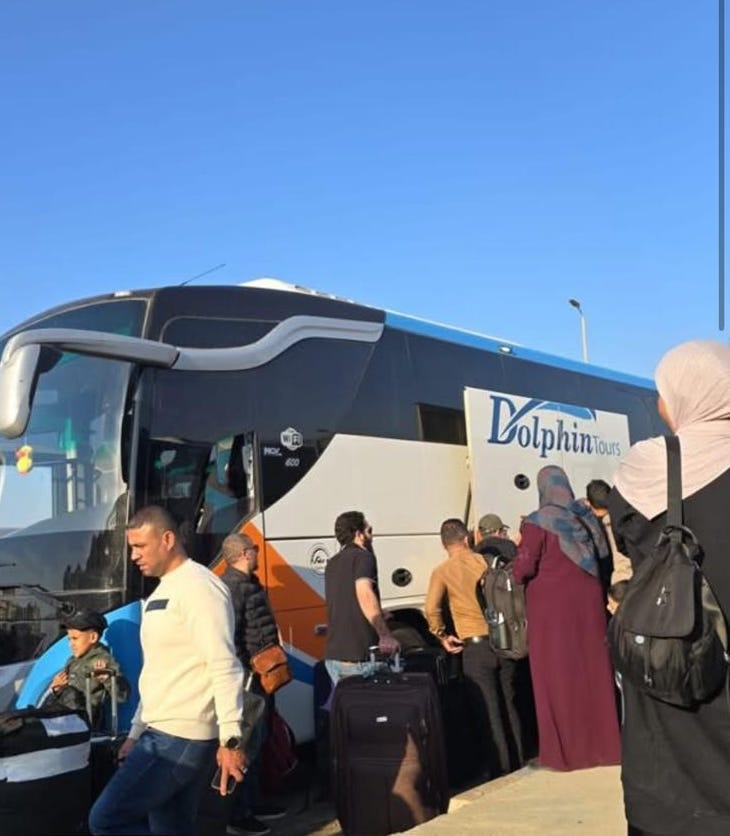
On the 78th anniversary of the Nakba, Athar returned to Gaza for the first time since the war that began on October 7, 2023. After spending years in Egypt following the war from afar, she returned to a city she knew but did not recognize at the same time.
“The street I knew so well no longer looked the same. It felt as though the place had lost the features I carried in my memory.”
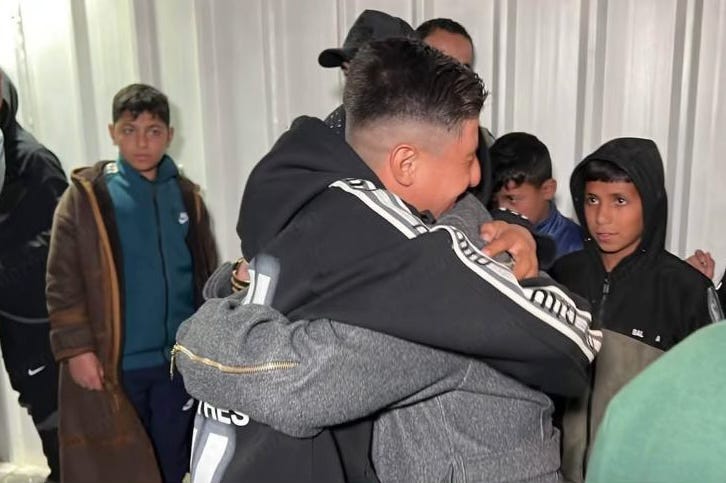
Athar describes her return as a contradiction of emotions: joy at reuniting with her family after years apart, and grief at witnessing what Gaza had become. What struck her most was not only the destruction itself, but the visible exhaustion on people’s faces.
“I was deeply happy to see my family again, but at the same time I could not ignore the sadness of seeing Gaza like this. It felt as though I was carrying two emotions at once. “Everyone looks tired, saddened, as though time has passed over them more heavily and more quickly.”
Athar had been away from Gaza for three years. When the war began, she was in Egypt, watching events unfold from a distance and trying constantly to reach her family. She describes that period as one of the most difficult experiences of her life. The fear for her loved ones never left her. She says the experience affected her both emotionally and physically.
“To watch what is happening to your family and your city without being able to do anything is an unbearable feeling. I felt constantly exhausted, as though I was living everything from afar, but without any ability to protect or intervene.”
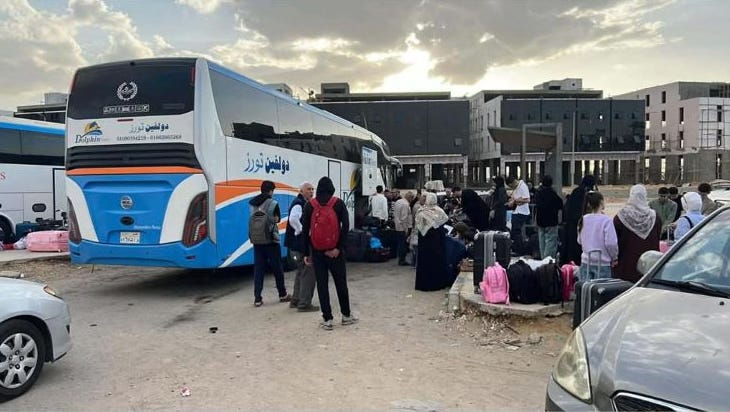
What weighed on her most was not only the distance itself, but the absence from ordinary moments: family gatherings, celebrations, conversations, and the daily details that once seemed ordinary.
As the war continued and crossings remained closed, Athar began to feel at times that returning to Gaza might become impossible. During those years, her understanding of “home” also changed.
“During happy occasions, I felt joy because they were together, but sadness because I was not there with them. And during moments of loss, it was even harder. Some people passed away before I had the chance to say goodbye. The distance stopped feeling geographical. It became a feeling of helplessness. Home was no longer just a place. It became my family, their voices, and the details of everyday life that I missed.”
Even while living in relatively safer conditions outside Gaza, she says she never truly felt at home. The journey back to Gaza carried mixed emotions: fear, anticipation, uncertainty, but also longing.
“That is why staying away eventually became harder than returning.I kept wondering what Gaza would look like after everything it had been through. But at the same time, I felt relief because I was finally returning.”
When she arrived, the shock was not only the destruction itself, but the feeling of losing her visual relationship with the city.
“There are places I no longer recognize at all. Streets and landmarks disappeared or changed completely.”
And yet, some small things remained familiar.
“The voices of family members, certain daily habits, the presence of people close to me — these things made me feel that part of Gaza still remained.”
Before the war, Nakba Day had represented inherited memory for Athar: stories told by parents and grandparents about displacement, fear, and loss. Today, she says, the meaning of “return” has changed completely.
Athar does not describe the experiences as identical, but she sees a thread connecting the stories passed down through generations with what people in Gaza are living through today.
“Before, it felt connected to the past. What we read about 1948 once felt distant. Now it feels ongoing, though in different forms.”I understand loss and instability differently now — not only through stories, but through lived experience. In times like these, returning becomes a way of holding onto life, identity, and the right to remain.”
For her, returning to Gaza became an act of attachment: to family, to memory, and to belonging itself. She says return is not simply about geography. Despite everything, Athar still speaks about moments of warmth and humanity.
“It is a return to family, to ordinary details, to a part of yourself.Sometimes it is something very simple, like sitting together with family or hearing a genuine laugh.”
These moments changed her understanding of safety itself. She believes that what allows people in Gaza to continue is their attachment to one another and to everyday life, even in its smallest forms.
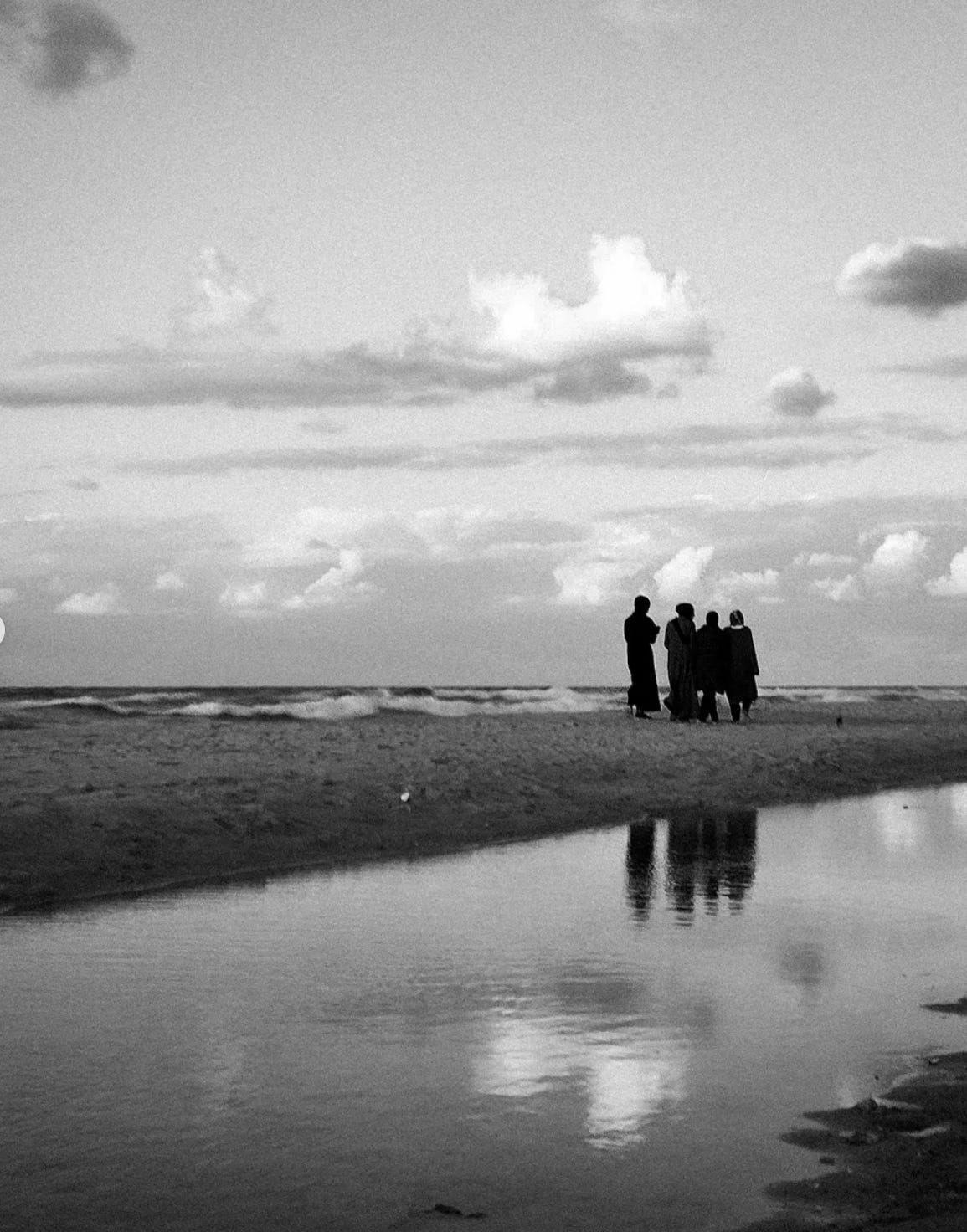
“Safety is no longer a place free of danger. Safety is being with my family. There is an inner insistence on continuing, even through the simplest acts of living.”
Athar notes that many people are still waiting for the opportunity to return to Gaza despite the destruction and the difficulties of the journey.
“About 150 people returned with me, and thousands more are still waiting. That alone says a lot about what belonging means.”
For Athar, Gaza in 2026 is not only a place marked by war, but also a place carrying stories of endurance, attachment, and survival.On Nakba Day, Athar sees telling this story not simply as sharing a personal experience, but as preserving memory itself.
“I want people outside Gaza to understand that we are not only numbers or images of destruction. There are human beings here — people with emotions, relationships, and daily lives — trying to continue despite everything. Gaza has changed deeply, but people are still holding onto one another, and onto life, even in its smallest details.”
“قديش ضايل ونوصل الدار؟”
سألت آثار أبو سمرة هذا السؤال وهي تنظر من نافذة السيارة في طريق عودتها إلى غزة بعد ثلاث سنوات من الغياب. جاءها الرد: “وصلنا تقريبًا”. لكن المفاجأة كانت أن السيارة كانت قد دخلت بالفعل شارع بيتها لم تتعرّف عليه.
في الذكرى السابعة والسبعين للنكبة، تعود آثار إلى غزة للمرة الأولى منذ الحرب التي بدأت في السابع من أكتوبر/تشرين الأول 2023، بعد سنوات قضتها في مصر تتابع ما يحدث من بعيد. تقول إن الصدمة لم تكن فقط في حجم الدمار، بل في الإحساس بأن المكان الذي حفظته في ذاكرتها لم يعد يشبه نفسه.
“كل شيء تغيّر. الشارع الذي كنت أعرفه جيدًا لم يعد كما هو، وكأن المكان فقد ملامحه التي كنت أحفظها داخلي.”
تصف آثار لحظة العودة بأنها مزيج متناقض من المشاعر؛ فرحة لقاء عائلتها بعد سنوات من الغياب، وثقل الواقع الذي وجدته أمامها.
“أنا سعيدة جدًا لأنني عدت ورأيت أهلي، لكن في الوقت نفسه لا أستطيع تجاهل الحزن الذي أشعر به وأنا أرى غزة بهذا الشكل. كأنني أحمل شعورين معًا: فرحة اللقاء وثقل الواقع.”
.أكثر ما لاحظته فور وصولها لم يكن فقط الدمار، بل التغيّر الذي ظهر على الناس أنفسهم.
“كل من أراه يبدو حزينًا ومتعبًا، وكأن الزمن مرّ على الوجوه بشكل أسرع وأثقل.”
استمر غياب آثار عن غزة ثلاث سنوات. ومع اندلاع الحرب الأخيرة، كانت في مصر تتابع الأخبار والصور وتحاول الاطمئنان على عائلتها من بعيد. تصف تلك الفترة بأنها من أصعب التجارب التي مرّت بها، ليس فقط بسبب الخوف، بل بسبب الإحساس الكامل بالعجز.
أن تشاهد ما يحدث لأهلك ومدينتك دون أن تكون قادرًا على فعل شيء هو شعور قاسٍ جدًا. تقول إن الخوف على عائلتها لم يفارقها، وإن ذلك أثّر عليها نفسيًا وجسديًا.
“كنت أشعر بإرهاق دائم، وكأنني أعيش كل ما يحدث من بعيد، لكن دون أي قدرة على الحماية أو التدخل.”
لكن أكثر ما أثقلها خلال تلك السنوات لم يكن البعد الجغرافي فقط، بل الغياب عن التفاصيل الصغيرة للحياة اليومية؛ تجمعات العائلة، المناسبات، والأحاديث العابرة التي كانت تبدو عادية قبل الحرب
“في المناسبات السعيدة كنت أفرح لأنهم بخير، لكن في داخلي كان هناك حزن لأنني لست معهم. وفي لحظات الفقد كان الأمر أصعب، لأن
هناك أشخاصًا رحلوا دون أن أتمكن من وداعهم.”
مع استمرار الحرب وإغلاق الطرق، بدأت آثار تشعر أحيانًا أن العودة إلى غزة قد تصبح مستحيلة.
“في بعض اللحظات شعرت أن المسافة لم تعد جغرافية فقط، بل أصبحت شعورًا بالعجز والبعد القاسي.”
خلال تلك الفترة، تغيّر مفهوم “البيت” بالنسبة لها. لم يعد مرتبطًا بالمكان وحده، بل بالأشخاص الذين تحبهم.
“أدركت أن البيت هو وجود أهلي، أصواتهم، وتفاصيلهم اليومية. حتى وأنا في مكان أكثر أمانًا، لم أشعر يومًا أنه بيتي الحقيقي.”
لهذا، تقول إن قرار العودة لم يكن مفاجئًا بالنسبة لها، رغم كل الظروف.
“كنت أشعر دائمًا أن البقاء بعيدًا أصعب من العودة نفسها.”
تصف الطريق إلى غزة بأنه كان مليئًا بالمشاعر المتضاربة؛ القلق، والخوف، والترقب، لكن أيضًا الاشتياق.
“كنت أفكر بكل شيء مرّت به غزة خلال الحرب، وبكيف سأجدها، لكن في الوقت نفسه كنت أشعر براحة لأنني أخيرًا أعود.”
وعندما وصلت، لم تكن الصدمة فقط في شكل الشوارع، بل في فقدان العلاقة القديمة مع المكان.
“هناك أماكن لم أعد أتعرف عليها أبدًا. شوارع ومعالم اختفت أو تغيّرت بالكامل.”
ورغم ذلك، تقول إن بعض التفاصيل الصغيرة بقيت كما هي.
“وجوه الناس القريبة، أصوات العائلة، وبعض العادات اليومية… هذه الأشياء جعلتني أشعر أن هناك جزءًا من غزة ما زال كما عرفته.”
قبل الحرب، كانت ذكرى النكبة بالنسبة لآثار جزءًا من الذاكرة الجماعية التي تُستعاد كل عام من خلال قصص الأهل والأجداد.
“كنا نسمع عن فقدان البيوت والنزوح والخوف، لكن بالنسبة لي كان الأمر مرتبطًا بالماضي أكثر.”
أما اليوم، وبعد الحرب الأخيرة على غزة، فتقول إن معنى “العودة” تغيّر بالكامل.
“ما قرأناه عن 1948 كان يبدو كقصة بعيدة، أما الآن فأشعر أن هذه القصة ما زالت مستمرة، لكن بأشكال مختلفة.”
لا ترى آثار أن التجربتين متطابقتان، لكنها تشعر أن هناك خيطًا مشتركًا يربط بينهما.
“أصبحت أفهم معنى الفقد وعدم الاستقرار بطريقة مختلفة، ليس فقط من خلال الرواية، بل من خلال ما نعيشه.”
وتصف عودتها إلى غزة بأنها شكل من أشكال التمسك بالمكان والانتماء.
“في ظل ما عشناه خلال الحرب، أصبحت العودة بالنسبة لي تمسكًا بالحياة، وبالهوية، وبالحق في أن نكون هنا.”
وبالنسبة لها، العودة ليست مجرد رجوع إلى مكان جغرافي.
“هي عودة إلى العائلة، وإلى التفاصيل الصغيرة التي تشكل حياتنا اليومية. عودة إلى جزء من الذات.”
ورغم كل ما تغيّر، ما زالت هناك لحظات صغيرة تمنح الناس شعورًا بالحياة.
“أحيانًا تكون لحظة عادية جدًا، مثل الجلوس مع العائلة أو سماع ضحكة صادقة.”
وتقول إن هذه اللحظات غيّرت حتى معنى الأمان بالنسبة لها.
“الأمان لم يعد بالنسبة لي مكانًا خاليًا من الخطر، بل أن أكون بين أهلي.”
وترى أن ما يمنح الناس القدرة على الاستمرار هو تمسكهم ببعضهم البعض، وبالحياة اليومية رغم كل شيء.
“هناك إصرار داخلي على الاستمرار، حتى بأبسط أشكال الحياة.”
وتشير أيضًا إلى أن كثيرين ما زالوا ينتظرون فرصة العودة إلى غزة، رغم الدمار وصعوبة الطريق.
“لقد عاد معي حوالي 150 شخصًا، وهناك آلاف آخرون ينتظرون العودة. هذا وحده يقول الكثير عن معنى الانتماء.”بالنسبة لآثار، غزة في عام 2026 ليست فقط مدينة مثقلة بالحرب، بل مكان يحمل أيضًا قصصًا عن الصمود والتمسك بالحياة.
“أريد للناس خارج غزة أن يفهموا أننا لسنا مجرد أرقام أو صور دمار. هناك بشر هنا، لديهم مشاعر وعلاقات وتفاصيل يومية، ويحاولون أن يعيشوا رغم كل شيء.”
في ذكرى النكبة، ترى آثار أن رواية هذه الشهادة ليست مجرد مشاركة شخصية، بل محاولة للاحتفاظ بالذاكرة حيّة، حتى لا تتحول التجارب الإنسانية إلى أخبار عابرة.
.غزة تغيّرت كثيرًا، لكن الناس ما زالوا يتمسكون ببعضهم، وبالحياة، حتى في أبسط تفاصيلها
 The MENA Archival lab