As the Palestine student movement reverberates across the globe—with youth from Asia to the United States organizing strikes and encampments—it is vital to remember the importance of solidarity in the face of growing repression. As an active member of her student community in Istanbul, Nadeen shares her reflections on the role of archiving within social movements and how it helps strengthen collective memory and community cohesion.
// EN
What is your idea of archiving and how can you define it?
When I think of archiving, I think of “saving traces” for some reason. The idea of saving and documenting abundance or things that might be overlooked; I tend to think of archives as being holistic, having great depth, resembling a catalog you could go through.
When you are leading a social movement, how important is archiving for you?
I think archives are specifically important in social movements, not only to mark victories, whether small or big which are important for the continuity of movements, but to also to keep track of the journey. This entails a lot of important lessons for the sustainability of the movement and other movements starting out. I also think social movements contain a lot of conflicts and power politics which should be documented and saved for reflection. For instance, this year has been very hectic for me as a community organizer, and having our Instagram account (which I consider a sort of archive) allows me to see the bigger picture. It allows me to remember instances more clearly and reflect on them for clearer strategies ahead. Not only that, but those archives become a way of honouring our efforts, because I realized talking about events as well as witnessing them keeps them alive. A lot happens within social movements, and due to that, we forget a lot, remembering is important, it is a form of activism within itself.
What form of archival do you see applied to your social movement? (e.g. documenting videos, photos of actions)
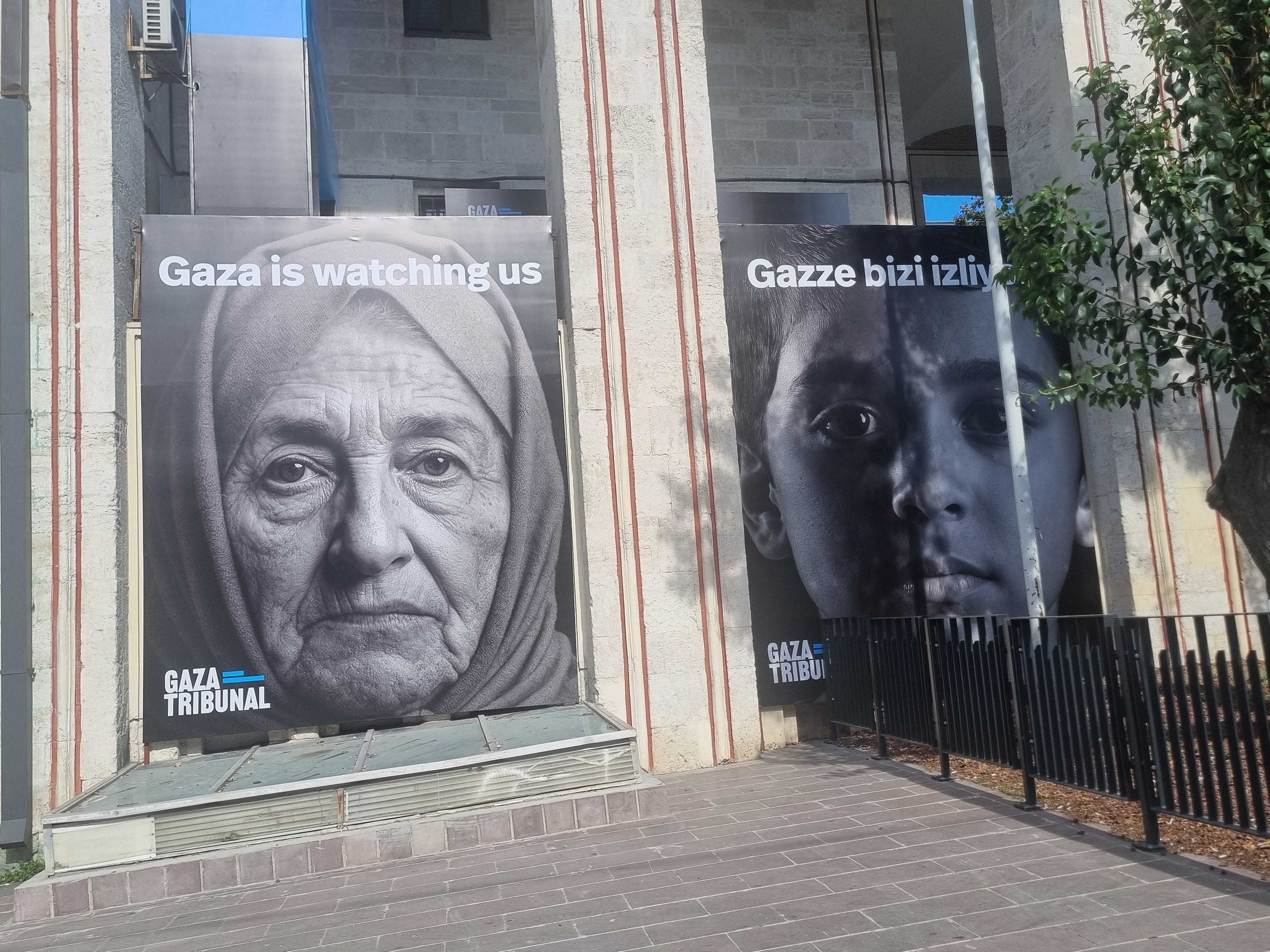
We tended to document moments of success, as well as moments of conflict. We made sure to document and create content as much as we can out of events, documenting through both videos and pictures, to do reels that appeal to the people, to document moments of protest, to document success, to document significant words said. We think it is a way of not only honouring our efforts but also increasing our credibility and identity in the eyes of people.
How do you apply archival within your organisation? And do you think there are different forms of doing this?
We make sure to post some pictures at least on any events we do, while finding an innovative way of posting a video on it. We also try to archive important documents or guidelines for people that will come after us in the organization, to make sure it is an easy process while possibly maintaining the core of our vision and mission.
From someone involved in organizing and mobilizing, what do you prioritize to archive first about Gaza or Palestine in general – especially nowadays?
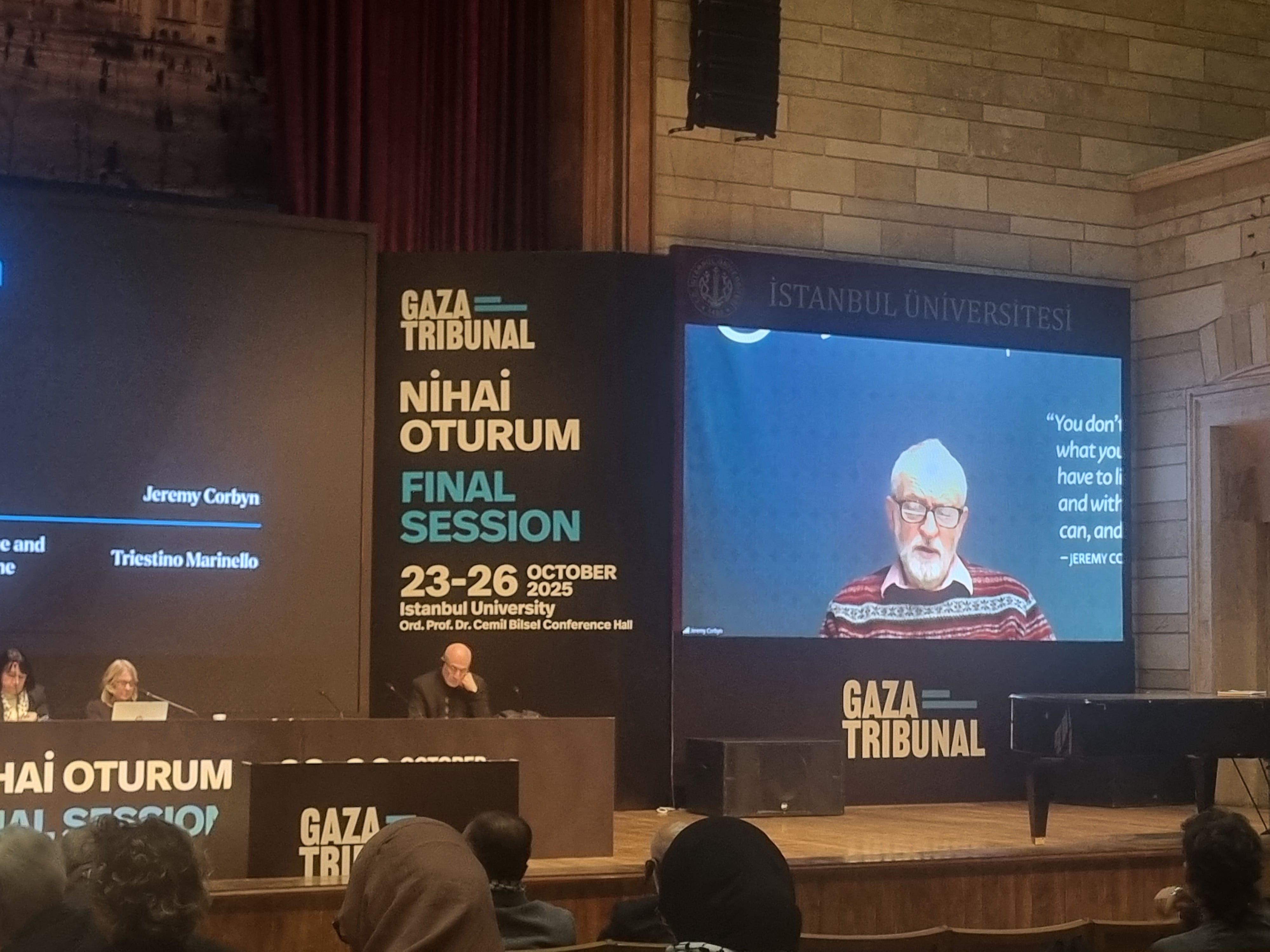
Within the organization right now, we have the goal of humanizing Palestinians, archiving Palestinian culture in a way. We do believe that archives are also a point of framing which is why we intentionally have our events around cultural aspects about Palestine while linking that to more political conversations. Most of our talks are on Gaza due to the urgency of the situation while obviously having Palestine as our main lens.
As someone in a student community, how did the solidarity for Palestine look like for you on campus? Did it grow or diminish over time?
I think in a way at the start, people needed some waking up, for the first time 2 years ago, Palestine was mentioned on campus after we had to push for it. I strongly believe that for the first few months, nothing would’ve happened unless we made the space for it. However, people woke up with time with how bad the genocide was getting with Gaza, and how horrible the scenes are on social media. We were past the point of raising awareness because of how accessible info became, we were trying to be more action-oriented, at that point we did have great support and a great community. However, the more time passes, I feel drained as an organiser, you really have to push people to show up and it is hard to push for so long. I think people are habituating/accepting this, and are feeling more helpless, so its fluctuating that I would say sometimes there is a decline and if we continue to accept things and feel helpless starting from ourselves, action and solidarity will diminish.
// AR
بينما تتردد أصداء الحركة الطلابية من أجل فلسطين في جميع أنحاء العالم، حيث ينظم الشباب من آسيا إلى الولايات المتحدة إضرابات واعتصامات، يصبح من الضروري التمسك بروح التضامن في مواجهة تصاعد القمع. وبصفتها عضوة فاعلة في مجتمعها الطلابي في إسطنبول، تشارك نادين رؤاها حول أهمية الأرشفة داخل الحركات الاجتماعية، والدور الذي تلعبه في تعزيز الذاكرة الجماعية وتقوية تماسك المجتمع.
السؤال الأول: ما هي فكرتك عن الأرشفة وكيف يمكنك تعريفها؟
عندما أفكر في الأرشفة، أفكر لسبب ما في ”حفظ الآثار“. فكرة حفظ وتوثيق الوفرة أو الأشياء التي قد يتم تجاهلها؟ أميل إلى التفكير في الأرشيفات على أنها شاملة، وذات عمق كبير، أو كفهرس يمكن للمرء الاطلاع عليه
السؤال الثاني: عندما تقودين حركة اجتماعية، ما مدى أهمية الأرشفة بالنسبة لكِ؟
أعتقد أن الأرشيفات مهمة بشكل خاص في الحركات الاجتماعية، ليس فقط لتسجيل الانتصارات، سواء كانت صغيرة أو كبيرة، والتي تُعد مهمة لاستمرارية الحركات، بل أيضًا لمتابعة المسار، والذي يحتوي على الكثير من الدروس المهمة لاستدامة الحركة والحركات الأخرى الناشئة. كما أعتقد أن الحركات الاجتماعية تحتوي على الكثير من الصراعات والسياسات المتشابكة التي يجب توثيقها وحفظها للتأمل فيها. على سبيل المثال، كان هذا العام مرهقًا جدًا بالنسبة لي، وامتلاك حسابنا على إنستغرام (والذي أعتبره نوعًا من الأرشيف) يساعدني على رؤية الصورة الأكبر، وتذكر الأحداث بوضوح أكبر، والتفكير فيها لوضع استراتيجيات أوضح للمستقبل. ليس ذلك فقط، بل تصبح تلك الأرشيفات وسيلة لتكريم جهودنا، لأنني أدركت أن الحديث عن الأحداث ورؤيتها يُبقيها حيّة. يحدث الكثير داخل الحركات الاجتماعية، وبسبب ذلك ننسى الكثير، لذلك فإن التذكر أمر مهم، وهو شكل من أشكال النضال بحد ذاته
السؤال الثالث: ما الشكل الأرشيفي الذي ترينه مطبقًا في حركتكم الاجتماعية؟ (مثل توثيق الفيديوهات أو صور الفعاليات)
لقد اعتدنا على توثيق لحظات النجاح وكذلك لحظات الصراع. كنا نحرص على التوثيق وصنع محتوى قدر الإمكان من الفعاليات، من خلال كل من الفيديوهات والصور، لصنع مقاطع قصيرة تجذب الناس، وتوثيق لحظات الاحتجاج، وتوثيق النجاحات، وتوثيق الكلمات المهمة التي قيلت. نرى أن ذلك طريقة لا لتكريم جهودنا فحسب، بل أيضًا لزيادة مصداقيتنا وهويتنا في أعين الناس.
السؤال الرابع: كيف تطبقون الأرشفة داخل منظمتكم؟ وهل تعتقدين أن هناك أشكالًا مختلفة لفعل ذلك؟
نحرص على نشر صورة واحدة على الأقل عن أي فعالية نقوم بها، مع محاولة إيجاد طريقة مبتكرة لنشر فيديو عنها. كما نحاول أرشفة الوثائق أو الإرشادات المهمة للأشخاص الذين سيأتون بعدنا في المنظمة، لضمان أن تكون العملية سهلة مع الحفاظ قدر الإمكان على جوهر رؤيتنا ورسالتنا.
السؤال الخامس: كشخص منخرط في التنظيم والحشد، ما الذي تعطينه الأولوية لأرشفته أولًا عن غزة أو فلسطين عمومًا – وخصوصًا في الوقت الحالي؟
داخل المنظمة حاليًا، لدينا هدف يتمثل في إضفاء الطابع الإنساني على الفلسطينيين، وفي طريقة ما أرشفة الثقافة الفلسطينية. نؤمن أيضًا بأن الأرشيفات وسيلة لصياغة الرواية، ولهذا السبب نحرص على أن تتمحور فعالياتنا حول الجوانب الثقافية الفلسطينية مع ربطها بنقاشات سياسية أوسع. معظم أحاديثنا تتمحور حول غزة بسبب خطورة الوضع، مع بقاء فلسطين المحور الأساسي دائمًا.
السؤال السادس: كشخص في مجتمع طلابي، كيف بدا لكِ التضامن مع فلسطين في الحرم الجامعي؟ هل نما أم تراجع بمرور الوقت؟
أعتقد أنه في البداية، كان الناس بحاجة إلى نوع من الإيقاظ. قبل عامين، ذُكرت فلسطين لأول مرة في الحرم الجامعي بعد أن اضطررنا للدفع نحو ذلك. أؤمن بشدة أنه في الأشهر الأولى، لم يكن ليحدث شيء لولا أننا خلقنا مساحة لذلك. ولكن مع مرور الوقت، استيقظ الناس مع ازدياد فظاعة الإبادة في غزة وبشاعة المشاهد على وسائل التواصل. تجاوزنا مرحلة رفع الوعي بسبب سهولة الوصول إلى المعلومات، وبدأنا نحاول أن نكون أكثر توجّهًا نحو العمل. في تلك الفترة كان لدينا دعم كبير ومجتمع رائع. لكن كلما مر الوقت، أشعر بالإرهاق كمنظِّمة، إذ عليكِ حقًا دفع الناس للحضور، ومن الصعب الاستمرار في الدفع لفترة طويلة. أعتقد أن الناس أصبحوا يعتادون على ما يحدث أو يقبلونه، ويشعرون بعجز أكبر، لذلك يتذبذب الأمر، وأحيانًا أشعر بوجود تراجع. وإذا واصلنا قبول الأمور والشعور بالعجز بدءًا من أنفسنا، فإن الفعل والتضامن سيتضاءلان.
 The MENA Archival lab